
 English
 Abogado especializado en accidentes con conductores sin seguro en New Haven

Última modificación: 12 de octubre de 2026

Abogado especializado en accidentes con conductores sin seguro en New Haven, CT
Connecticut requires every driver to carry auto insurance, but that doesn’t mean the driver who hit you actually had it.
When they don’t, it can feel like you’re dealing with the crash twice: once in the moment, and again in everything that comes after.
An experienced New Haven uninsured motorist accident lawyer can help you understand your options and pursue the compensation you may be owed, even when the other driver can’t pay.
At Bartlett & Grippe, we walk Connecticut drivers through exactly this kind of situation, and it helps to understand your rights under Connecticut law from the moment the collision happens.
Asesoría legal para reclamaciones por accidentes con conductores sin seguro en New Haven, CT
Bartlett & Grippe, LLC has a strong record handling uninsured motorist cases in New Haven and across Connecticut. To date, our firm has secured over $50,000,000 in settlements and verdicts for our clients.
Our team can help you:
- File an auto insurance claim after a damaging accident
- Pursue legal action against a driver who lacked Connecticut’s minimum required insurance
- Recover additional compensation in hit-and-run cases
- Take legal action even if the at-fault driver hasn’t been identified yet
You have a limited time to pursue compensation after an uninsured-driver accident.
You will need to prove fault and show that the other driver directly caused your damages.
Having an experienced team on your side can make this process easier to manage.
Aprovecha nuestras
décadas de experiencia
Deja que nuestro equipo especializado luche por la indemnización que te mereces. Contáctanos para dar los primeros pasos.
Asistencia las 24 horas, los 7 días de la semana. ¡Llama ahora!
203-463-4939
Se habla español Español de América Latina (es-419)
203-404-0830
Cómo demostrar la responsabilidad por tu accidente en New Haven
Proving liability is often the first challenge after a New Haven accident.
Most crashes stem from driver negligence, such as speeding, a moving violation, or distracted driving.
Some result from illegal misconduct, like driving under the influence of drugs or alcohol.
Our team investigates every angle, entre ellos:
- Cell phone records and in-car activity, for suspected distracted driving
- Vehicle computer data and traffic camera recordings
- Police toxicology reports, in suspected drunk or drugged driving cases
- Witness statements from anyone who saw the crash
We use this evidence to address disputes over liability and hold the correct party accountable.
Cómo puede ayudarte un abogado
Here is how our team helps after an accident:
- Gather the evidence and witness testimony needed to prove fault
- Calculate the full scope of damages, whether or not the at-fault driver has insurance
- Explain the options for holding the at-fault driver accountable
- File a claim against an uninsured motorist policy, when that applies
In most cases, filing a personal injury case is the most effective way to resolve an uninsured motorist accident in New Haven.
Cómo entender los requisitos del seguro de automóvil en Connecticut
Drivers in Connecticut are required by law to carry liability insurance.
The reasons for this are clear. Every year, motor vehicle collisions in the state cause numerous injuries and casualties.
El Repositorio de datos sobre accidentes de Connecticut recorded more than 103,000 crashes involving nearly 247,000 people in 2024. Some of these collisions involve a driver who carries no insurance at all.
An estimated 11.8% of Connecticut motorists were uninsured in 2023, below the 15.4% national average, according to a 2025 Insurance Research Council report.
Connecticut’s mandatory minimum coverage, per the Departamento de Seguros de Connecticut, includes:
- Bodily injury: $25,000 per person / $50,000 per accident
- Property damage: $25,000 per accident
- Uninsured motorist coverage: $25,000 per person / $50,000 per accident
This means that if you’re hurt in a hit-and-run or in a crash with an uninsured driver, your own uninsured motorist coverage may compensate you for your injuries up to $25,000 or more, depending on the coverage you have purchased..
Qué hacer después de un accidente automovilístico
The steps you take after a New Haven car collision can protect your safety and strengthen your claim.
- Call 911. Report the collision so the New Haven Police Department can send the right number of ambulances.
- Move to safety. If your car still runs, drive it out of moving traffic and wait for EMS and police to arrive.
- Get checked out. Let paramedics examine you, even if you feel fine. Adrenaline can mask injuries. Follow up with your doctor or Yale New Haven Hospital as soon as you can.
- Preserve evidence. Take photos of the scene, collect witness statements, and get a copy of the police report.
- Reach out to our team. Contacting us early allows us to make sure your legal rights are protected.
How Long Do You Have to File a Claim in Connecticut
Connecticut law gives you two years from the date of your accident, or from when you discover your injury, to file a personal injury lawsuit against an at-fault driver, under Estatutos Generales de Connecticut, § 52-584.
Even under the discovery rule, you generally cannot file more than three years after the accident itself.
The deadline for filing an uninsured motorist claim against your own insurance company is three years, pursuant to Connecticut General Statute § 38a‑336, though your insurance policy may set its own, often shorter, notice requirements. Missing these deadlines can end your right to recover compensation.
If a lawsuit becomes necessary, civil cases arising from a New Haven accident are usually filed at the New Haven Judicial District Courthouse, 235 Church Street, New Haven, CT 06510.
Our attorneys handle the filing and every court appearance on your behalf.
Obtener una indemnización
The main goal of a personal injury case is for the injured plaintiff to recover whatever compensation they need to be as “whole” as possible again after a defendant has injured them.
Connecticut’s personal injury laws enable injured plaintiffs to seek compensation for their medical expenses, lost income, and property damage, and they also have the right to seek compensation for any projected future economic losses resulting from the accident.
In addition to these economic damages, the plaintiff may also claim compensation for the pain and suffering they experienced.
To help you pursue justice after a tragic loss, our dedicated New Haven wrongful death lawyer can guide you through the legal process.
Bartlett & Grippe can help if you must file a wrongful death claim in New Haven.
Our firm can also explain what damages can be sought in a wrongful death claim specifically in Connecticut.
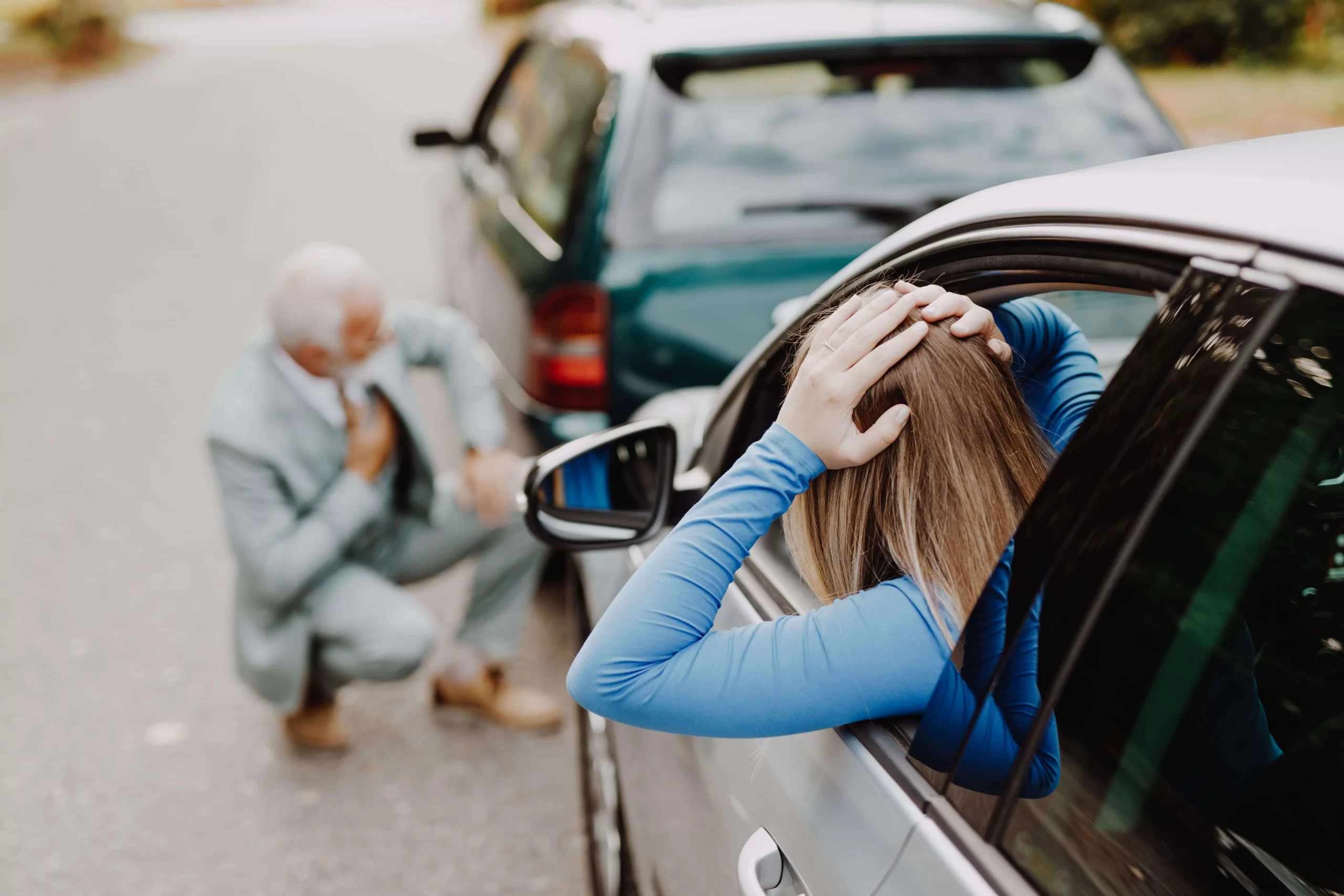
Cómo presentar una demanda por muerte por negligencia en un accidente con un conductor sin seguro
If your family member died in a fatal accident caused by an uninsured driver, it is possible that there are grounds to file a wrongful death claim, but it must be managed by a representative of the estate.
If none were named in the decedent’s will, a probate court may appoint one.
This type of personal injury case aims to recover compensation for the family member’s losses, such as their funeral and burial expenses, lost earning capacity, and the pain and suffering they experienced.
Preguntas frecuentes
¿Puedo presentar una demanda contra un conductor sin seguro?
Yes, you can file a claim against an uninsured motorist if they caused a collision that harmed you. When someone fails to purchase the coverage they are required by law to have, they can still be held financially liable for the harm they cause.
Securing compensation from the at-fault driver may require legal action in court.
¿Cuáles son las probabilidades de ganar una demanda contra un conductor sin seguro?
There’s no guaranteed outcome in any claim, but working with our attorneys, who have years of experience managing personal injury claims, can strengthen your case.
Am I Covered if I’m Hit by an Uninsured Driver?
If you are hit by an uninsured driver, your own uninsured motorist coverage could provide you with compensation for medical bills and other damages. You also have the option of pursuing a civil claim against the at-fault party.
¿Vale la pena emprender acciones legales?
If you suffered harm due to another driver’s negligence, and they are uninsured, legal action may well be worth it. Our attorneys can manage your negotiations with your own insurance company and the at-fault party to maximize your recovery.
What Is the Difference Between Uninsured and Underinsured Motorist Coverage?
Uninsured motorist coverage applies when the at-fault driver has no insurance at all. Underinsured motorist coverage applies when they have insurance, but not enough to cover your damages. Connecticut requires drivers to carry both, generally at matching limits, under Connecticut General Statutes § 38a-336.
Can I Still Recover Compensation if I Was Partially at Fault for the Accident?
Yes, as long as you were 50% or less at fault. Under Connecticut’s modified comparative negligence rule (Connecticut General Statutes § 52-572h), your compensation is reduced by your percentage of fault, and you’re only barred from recovering if you were 51% or more responsible.
Will Filing an Uninsured Motorist Claim Raise My Insurance Rates?
No. Connecticut law prohibits insurers from surcharging your premium for an accident caused by another driver, including the uninsured motorist in your claim (Connecticut General Statutes § 38a-686(b)(3)(E)).
Does Uninsured Motorist Coverage Apply to Hit-and-Run Accidents?
Yes. Connecticut law treats an unidentified hit-and-run driver the same as an uninsured driver, so your own uninsured motorist coverage can apply. You will need a police report and other evidence showing another vehicle caused the crash.
What if I Was a Passenger When an Uninsured Motorist Caused the Crash?
You can typically pursue compensation through the at-fault driver’s insurance, the host vehicle’s policy, or, if the at-fault driver is uninsured, the vehicle owner’s or your own uninsured motorist coverage.
Cómo puede ayudarte tu abogado especializado en accidentes con conductores sin seguro en New Haven
While filing an insurance claim is often part of the recovery process, it isn’t always enough. If your insurance doesn’t fully cover your expenses, our team is ready to step in.
We take personal injury cases on contingency, so there are no upfront attorneys’ fees, and you pay nothing unless we recover compensation on your behalf. Because you only have a limited time to file, it’s best to reach out as soon as possible.
If you’re ready to learn how we can help you recover, contact us today to schedule a free consultation with an experienced New Haven uninsured motorist accident lawyer you can trust.
Recursos sobre accidentes con conductores sin seguro en New Haven, Connecticut

© Copyright 2026 Bartlett & Grippe, LLC. Todos los derechos reservados.
*Las imágenes se obtienen bajo licencia de Canva y otros proveedores externos de imágenes de archivo, y se incluye la atribución cuando es necesario.
Última actualización: 11 de junio de 2026. Revisado por Frank Bartlett y Joseph R. Grippe.